

History of public transport
Publication „History of public transport in Hradec Králové 1928 - 2013“
The detailed history and present of our company can be found in the publication „History of public transport in Hradec Králové 1928 - 2013“,
Author Helena Rezková
Co-authors of the book: Ing. Daniel Ditrych, Ing. Daniel Ditrit, Ing. Ladislav Podivín, Jaroslav Hrůza, Jiří Hladký, Ing. Jitka Janušová, Zdeněk Doubek
Number of pages: 272 (200 black and white, 72 colour)
Image attachments: 890
With the publication, which was officially christened during the Open Day on 5 October 2013, the company celebrated, among other things, its 85th anniversary.
In June 2020, the publication entitled „History of public transport in Hradec Králové 1928 - 2020“ was supplemented with newly acquired information and photographs - both current and from new sources - about the history and present of public transport in Hradec Králové.
It can be purchased in the network of bookshops in Hradec Králové or directly at the company's headquarters.
25 years of the company Dopravní podnik města Hradec Králové, a.s. or How the history of public transport in Hradec Králové was written
Public transport in Hradec Králové has been operating for 94 years. What were the beginnings? What vehicles have been running on the streets over time? Where did the city transport company have its headquarters in the past? Today, in cooperation with the editorial team of the Hradec Králové City Council newsletter, we will look into the history of public transport in Hradec Králové. Just this year, the Hradec Králové City Transport Company, a.s. celebrates another minor anniversary. The joint-stock company was founded on the basis of the founding charter signed on 17 March 1997, 25 years ago. By the decision of the Regional Court in Hradec Králové, it was registered in the Commercial Register on 1 April 1997.
Administrative development
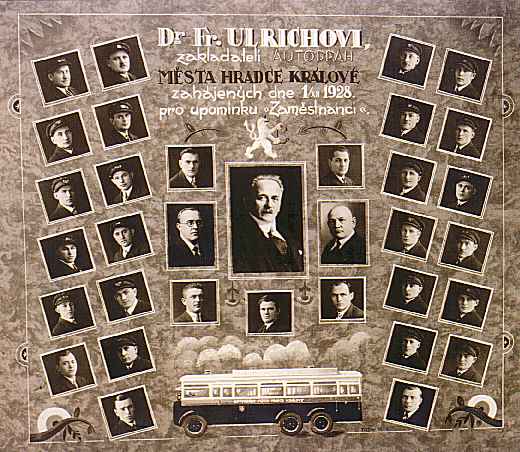
The start of bus transport is connected with the establishment of the Hradec Králové City Bus Company on 24 October 1928, which laid the foundation for comprehensive urban public transport. On 1 January 1949, the Autodráhy, already under the name of the Transport Municipal Enterprise of the City of Hradec Králové (established on 26 April 1948), was incorporated into the United Municipal Enterprises of the Unified National Committee of the City of Hradec Králové. Since 1950, the enterprise has borne its current name, but legally and property-wise it was a national enterprise and since 1989 a state enterprise. On 1 September 1997, the property was transferred to the joint-stock company Transport Enterprise of Hradec Králové (DPmHK), whose sole owner is the city. In addition to public passenger transport, the company operated taxi, vehicle rental and freight transport services to a limited extent until 1965. In the period 1974-1986 it also had its own apprenticeship centre. Since 1991, DPmHK has developed other services in tourism, advertising, production of urban furniture, vehicle repairs and driver training.
The main activity of the transport company is currently mainly the operation of public transport in the territory of the town and to the transport-connected villages (Běleč nad Orlicí, Divec, Charbuzice, Lochenice, Předměřice nad Labem, Stěžery, Stěžírky and Vysoká nad Labem). Public transport is provided by trolleybuses, buses and electric buses owned by DPmHK. Secondary activities include driving school, repair and washing of vehicles (including spraying of chassis and cavities with anti-corrosion material), advertising and promotional activities, sale of diesel fuel to contract customers and tour transport.
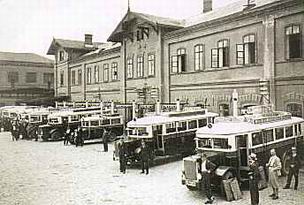
The first vehicles that the citizens of Hradec Králové encountered on the streets were a six-wheeled Tatra omnibus for 42 seated and 50 standing people and a smaller Škoda car for 19 seated and 25 standing people. The first regular bus line Kukleny - Nádraží - Slezské Předměstí was put into service on 1 December 1928. On that day, the buses were free, but the drivers were not entitled to remuneration. The fleet was expanded to 15 buses in a short time and gradually replenished and renewed with more modern types. Over the last sixty years, the streets have been successively filled with now sometimes legendary historic vehicles, such as the Skoda 706 RTO (1960-1979), the Robur LO (1969-1979), the Karosa ŠM11 (1967-1993), the articulated Ikarus 280.08 (1977-1997), the Karosa B731 (1982-2005), the articulated Karosa B741 (1992-2008) and the low-floor Karosa Renault City Bus (1996-present). It is worth mentioning that from the late 1930s until December 1949, gas was used to power the buses, and even wood gas was used in two of the vehicles.
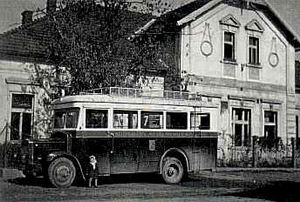
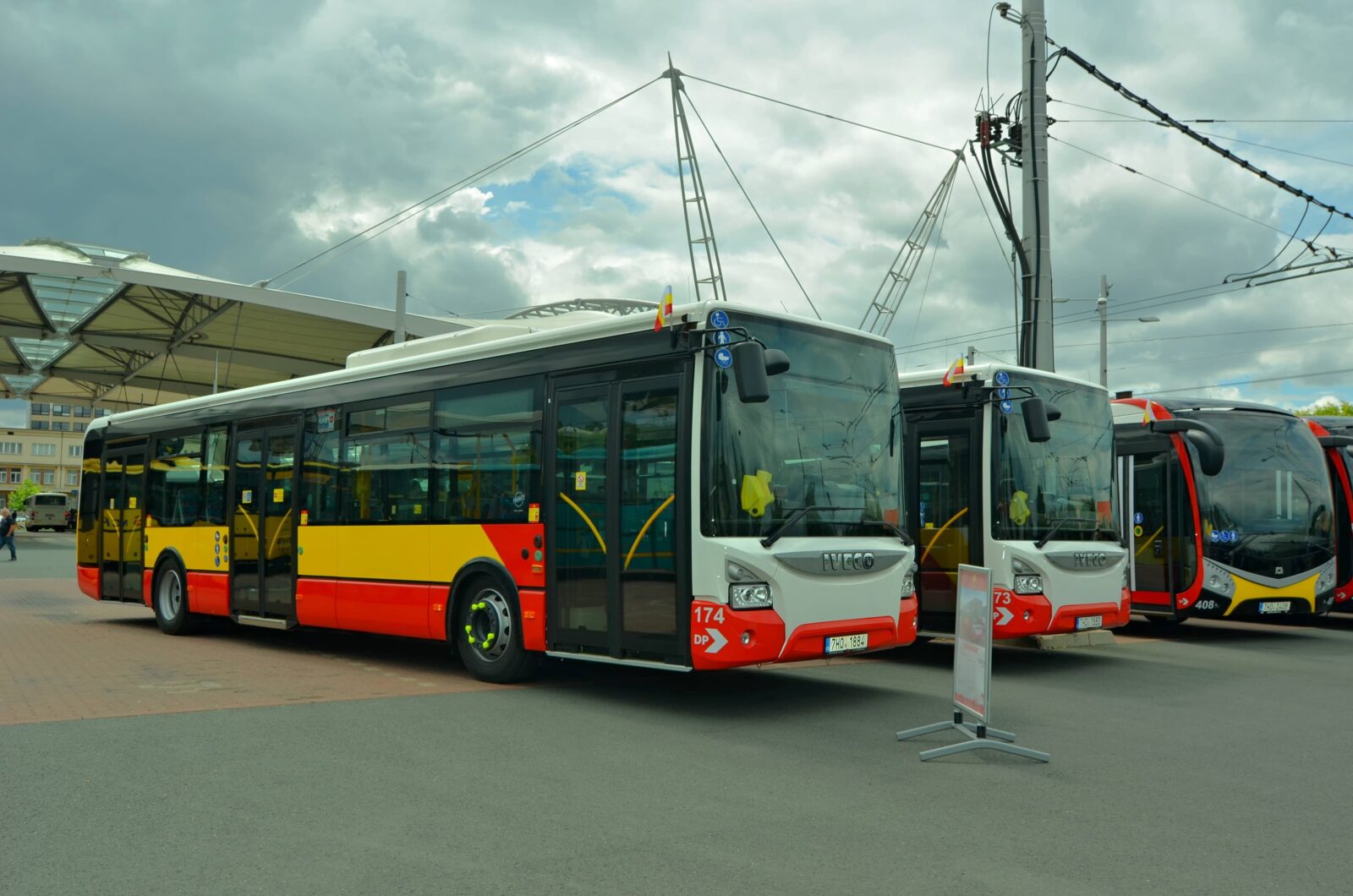
The largest number of buses was 121 in 1983.To reduce the share of harmful effects of bus transport, all buses were gradually equipped with exhaust gas catalytic converters from 1993 onwards and buses purchased in recent years (Iveco Urbanway) meet the Euro VI emission standard. All of these buses are low-floor, and are also equipped with a lifting or lowering system for easier and safer boarding and alighting. There are currently 68 buses on the streets on 20 routes, of which 23 are articulated.
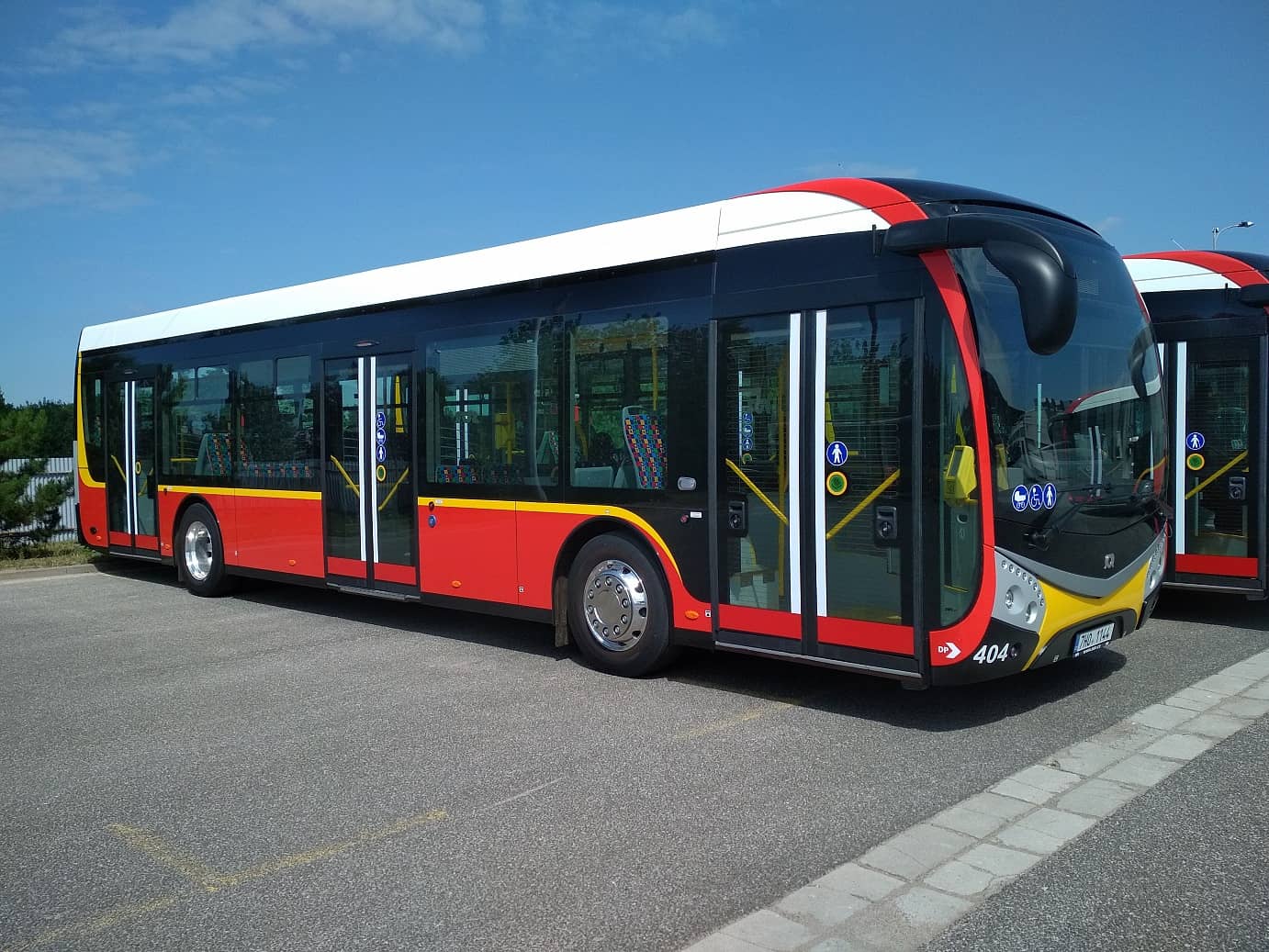
In recent years, the transport company has also acquired electric buses. For example, in 2018, with the help of a subsidy, twenty low-floor SOR electric buses were purchased, so now Hradec has the largest fleet of electric buses in the Czech Republic (22). The first own electric bus appeared in Hradec Králové public transport in April 2014.
As a leader in the field of e-mobility in urban public transport in the Czech Republic, the transport company reached the magic mileage mark of three million kilometres travelled on public transport lines with electric buses at the beginning of April 2021.
Trolleybuses
The trolleybus service was introduced in 1949. The transport was provided by four Vetra-ČKD trolleybuses (1949 - 1960). The trolleybus fleet was renewed through Škoda 7TR (1951 - 1975), 8TR (1957 - 1975), 9TR and 9TR HT (1962 - 1990, historically the most numerous type of car in our city), 14TR (1983 - 2011), 15TR (1988 - 2011), 21 TR (1997 - 2013) up to the current solo 30TR SOR and articulated 31TR SOR (both types since 2011), acquired with the use of subsidies. In 1967, the City Council decided to phase out the trolleybus service after the cars and overhead lines had reached the end of their service life by 1980. Fortunately, as in some other cities, in the 1980s there was a change in the view of trolleybus transport and therefore it was preserved in Hradec Králové. The largest number of trolleybuses operated on the lines in 1989, 52. The fleet of trolleybuses and buses has been renewed since 1997 with low-floor cars.
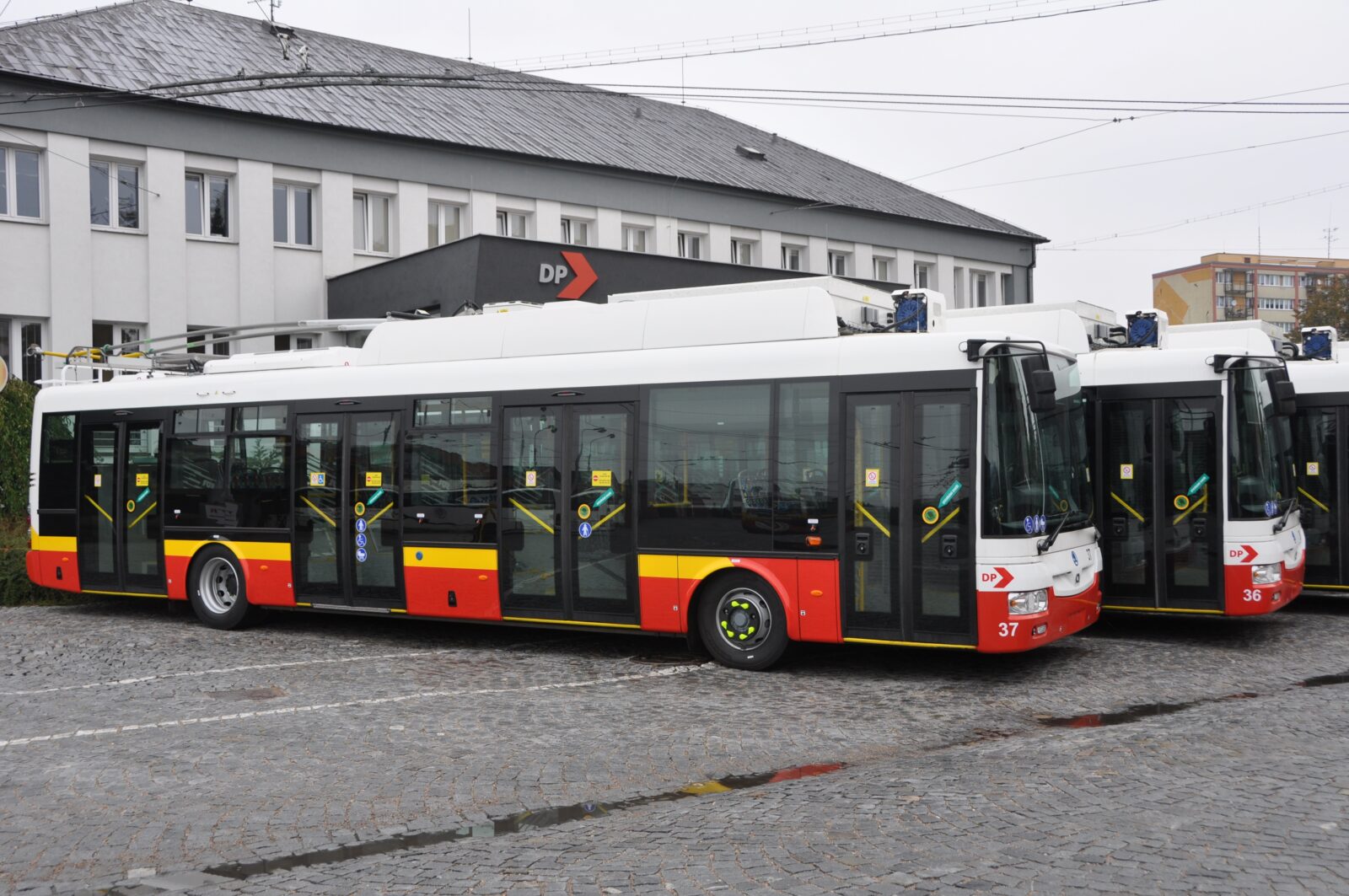
The trolleybuses now run on eight lines, where 28 kilometres of trolleybus lines are in operation with 16 trolleybus crossings, on which 41 trolleybuses (13 of which are articulated), of which 12 are partial trolleybuses, are in service.
Modern vehicles - buses, electric buses or trolleybuses - always bring higher quality, safety, attractiveness, comfort, reliability and environmental friendliness to passengers.
Technical background
The original seat of Autodrah was located in the centre of the town, in a rather cramped space between blocks of residential buildings between today's Průmyslová and Škroupova streets, i.e. behind the existing Malý růžek inn. In 1951-53 it was moved to a newly built premises in Pouchovská Street. First, in two garage buildings, very advanced for that time, with a roof reinforced concrete structure of 20 x 60 m without supporting columns, and later in the service building and associated buildings, a modern base for public transport in Hradec Králové and its surroundings was created.
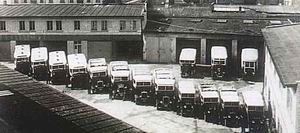
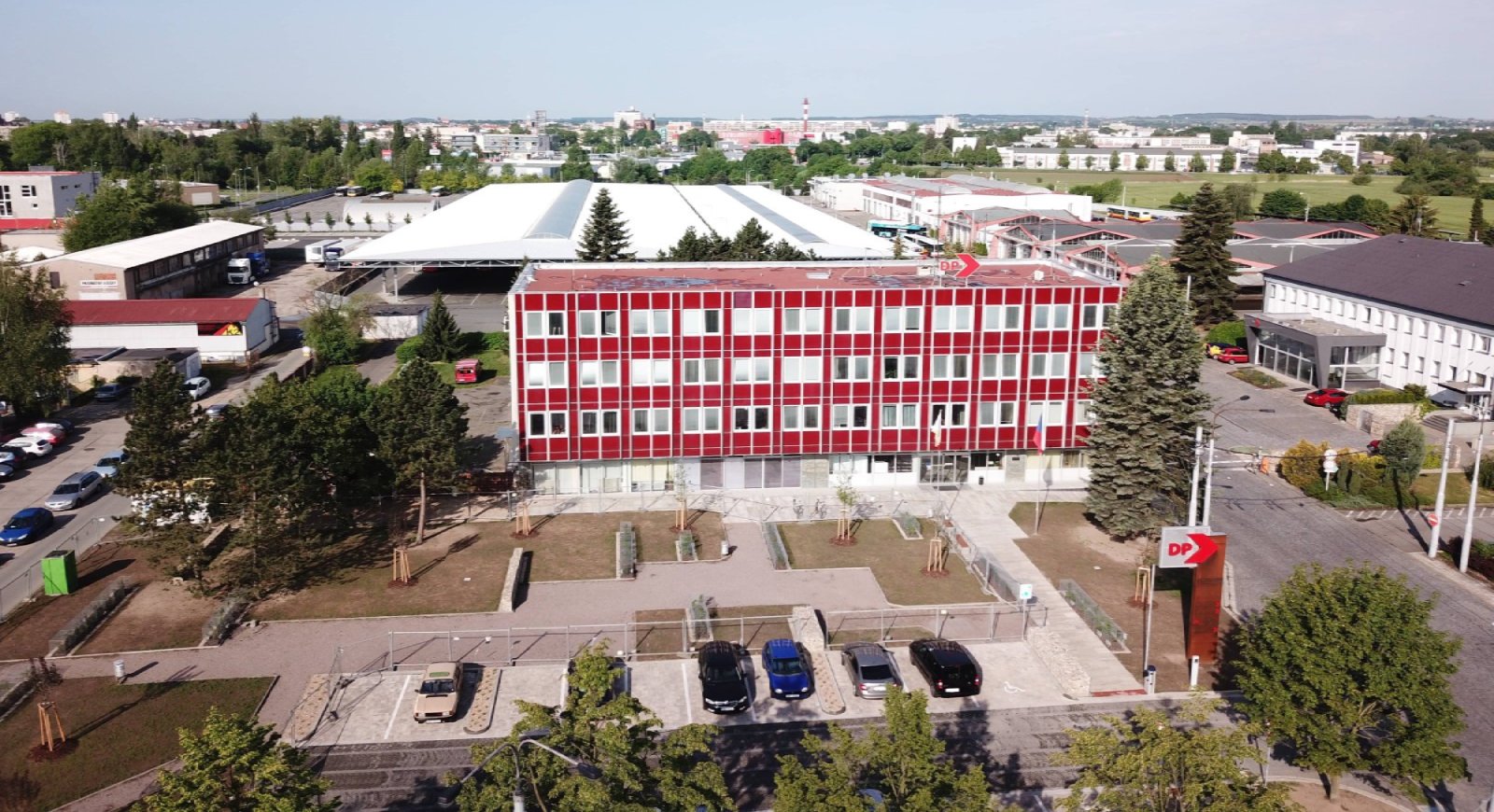
Between 1969 and 1983, the extensive premises were being completed and the facilities necessary for the further development of the company were being built. The first one was a fuel filling station and an exchange station with a car wash. The construction of a warehouse, bus maintenance halls, auxiliary facilities and an administrative centre continued. During these years, it was also possible to buy up the surrounding land, which enabled the construction of these buildings as well as the construction of parking areas.
After the construction of new buildings, the original ones were reconstructed in 1984. Outside the company premises, sanitary facilities for drivers were and are gradually being built at the final stations.
Since 1949, substations have also been part of the necessary technical background of trolleybus operation. The first one in the premises of the Hučák hydroelectric power station under the name Labe served until 1965, the other six were built gradually. In 1955 the substation Nový Hradec Králové (M2) was put into operation, in 1958 Kukleny (M3) and in 1967 Buzulucka (M4). These have been reconstructed over time, in 2008 the substation at the HD terminal (M1), in 2018 the substation in the depot area and in 2019 Cihelna (M5).
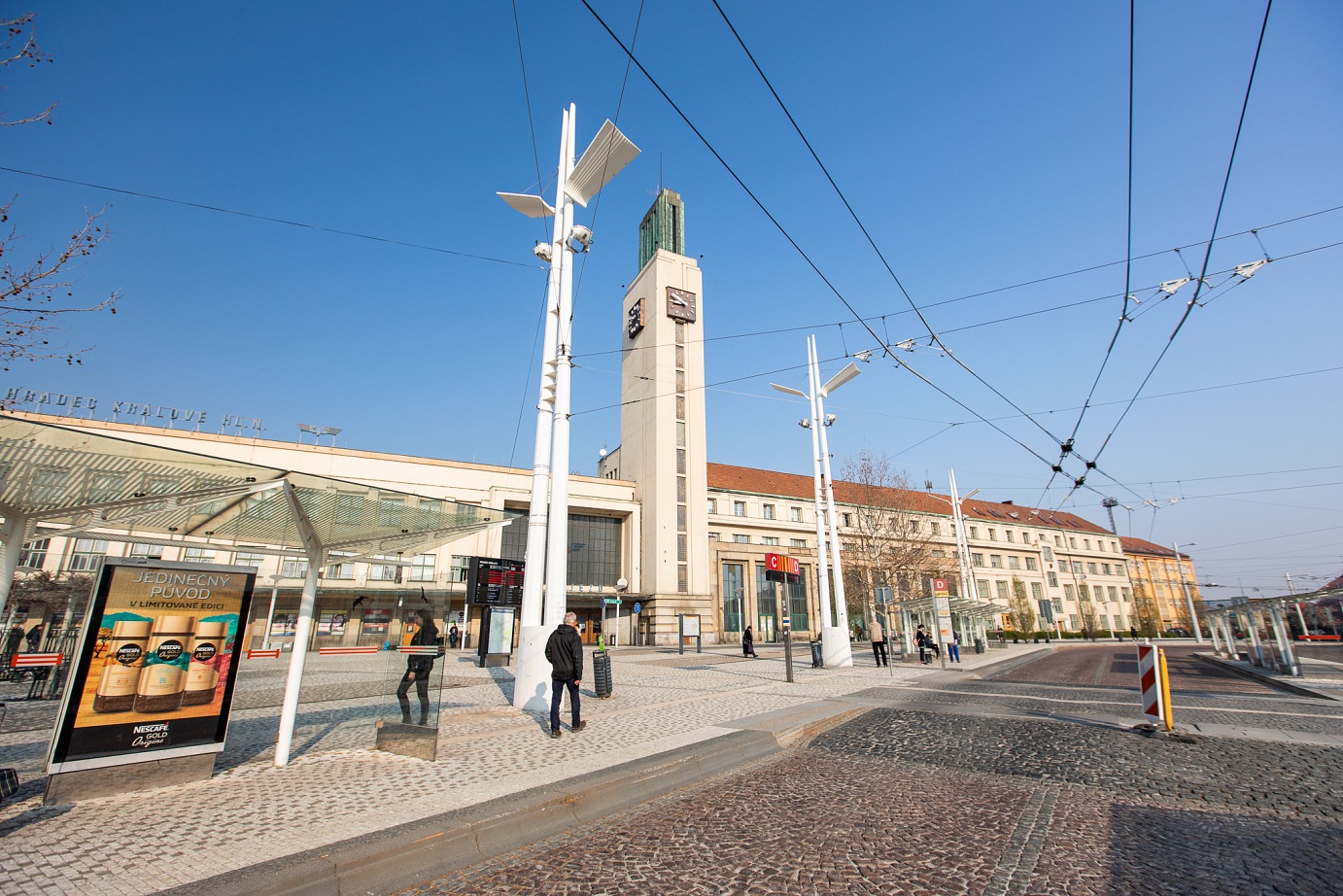
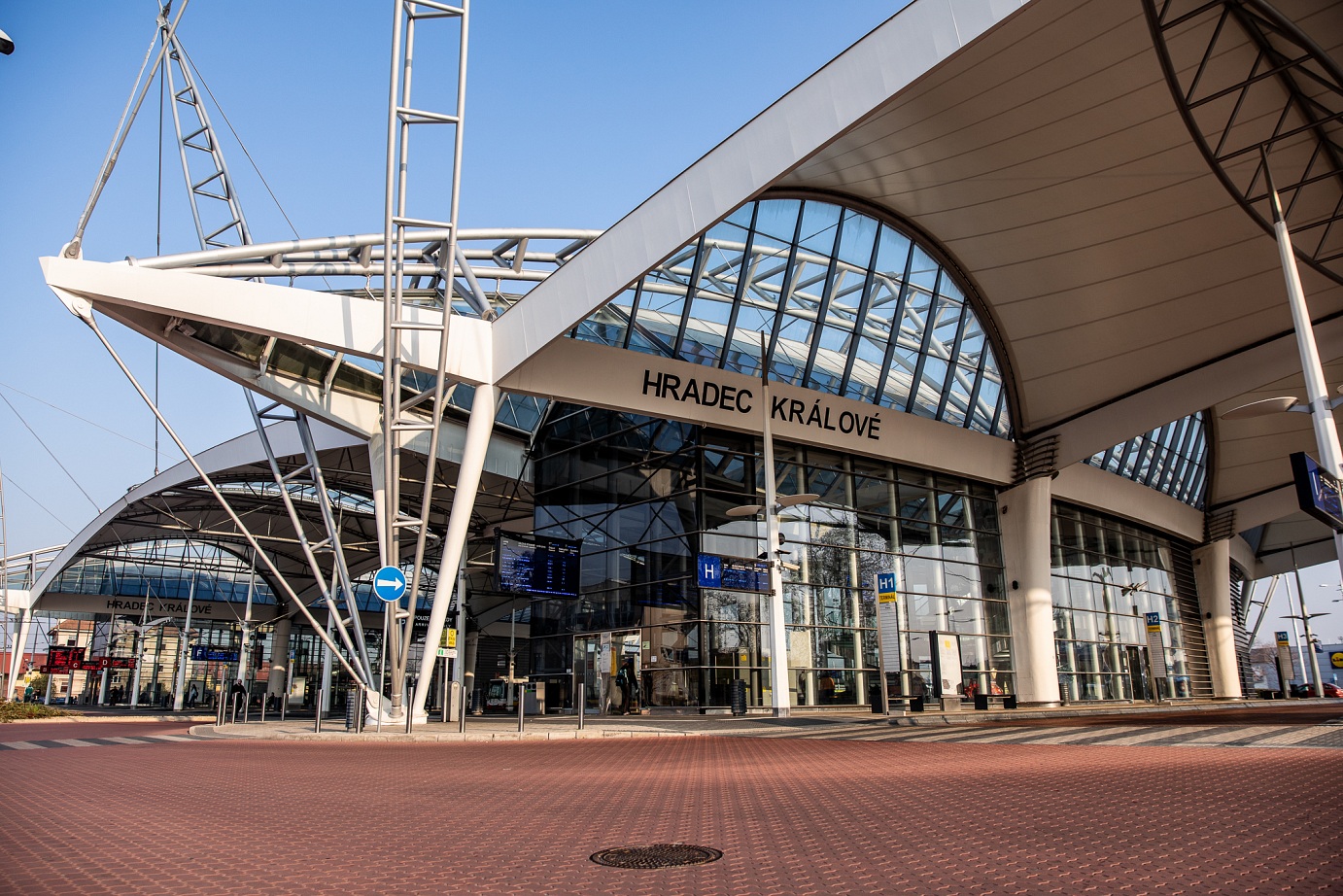
One of the significant milestones in the history of public transport in Hradec was the construction of a modern transport terminal (replacing the inadequate area at the Crown) between 2006 and 2008 with dimensions of 145×150 metres, i.e. 21,750 m2, whose investor, owner and operator is the transport company. In 2009, the terminal with 22 platforms (worth CZK 360 million) was awarded the title of the Construction of the Year of the Hradec Králové Region in the category of transport and engineering structures. Thanks to its opening in July 2008, the transfer links to regular transport have been significantly improved. In the same year, the area of Riegrova Square in front of the ČD main station was opened.
Passenger transport
In the initial period of regular bus transport, only three lines operated in Hradec. Line 0 provided transport between the station and Velký náměstí, line 1 ran between Kukleny, the station and Slezské Předměstí and line 2 carried passengers between the station and Nové Hradec. Later the service was extended to Třebš, Plotiště, Malšovice, Svobodné Dvory and to more distant places - Černilov, Nechanice, Nový Bydžov, Dobruška and Holice. At the beginning of the 1930s, seventeen lines were operated to 71 villages and the fleet consisted of 33 buses.
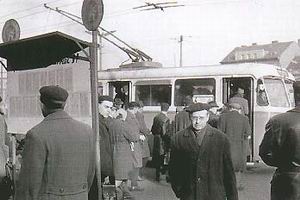
Trolleybus transport began its history on 2 May 1949, when the first trolleybus left Ulrich Square on regular line No. 2 between the Main Railway Station and Nové Hradec Králové. In October of the same year, another trolleybus line 0 connecting the Main Railway Station with the Silesian Suburb was launched. In 1951 the line was extended in the second direction to Kukleny and in 1952 to Plačice. In 1958, trolleybus line 7 was added between the Main Railway Station and Malšovice, and on 1 December 1993, trolleybus line 1 was launched between the Main Railway Station and Nové Hradec Králové on the second road circuit. From 4 September 1995, the operation of line 6 began, which provides transport between the Main Railway Station and Slezské Předměstí via Gočárová and Pospíšilova třída. With the launch of this line, trolleybus transport returned to these busy Hradec Králové streets after a break of almost thirty years.
Nearly four hundred and twenty stops serve the needs of passengers, 170 of which are equipped with a glass waiting room. At the stops, they can get information on station columns, 19 of which are digital.
A pinch of statistics
The most passengers in the modern history were transported by public transport vehicles in Hradec Králové, or since the time when official statistical data were kept, in 2005, namely 38 588 655. Other successful years were 2007 (38 224 469) and 2019 (38 002 765 passengers).
The transport company had 32 employees when it was founded. The number of employees grew with the expansion of transport. In 1961, for example, there were 256 employees, in 1973 there were 339, and the largest number in 2002 was 421.
And a glimpse into the near future?
Modernization of the electronic passenger check-in system in public transport in Hradec Králové
By the end of 2022, the passenger check-in system in public transport vehicles will be renewed and modernised, the dispatching system will be renewed, the e-shop for DPmHK customers will be renewed and 19 new electronic markers will be purchased at 11 selected public transport stops. These will operate in on-line mode and will provide passengers with information about the real arrival of a given service to the stop (the panel can display up to 12 real nearest arrivals of public transport vehicles) and complete timetables in the form of e-paper of the respective stop where the stop marker will be placed. Passengers will be able to use them for example at Dukelská třída (Tesco and Atrium department stores), Karel IV třída (Centrál), ČSA třída (Adalbertinum and the City Hall), Gočárová třída (Ulrichovo náměstí) or at Futurum, Fakultní nemocnice, Zimní stadion or Muzeum stops. The new check-in system should be fully operational within 12 months of the actual signing of the contract, i.e. by 23 December 2022 at the latest.
„We don't want to go just the way of modern public transport vehicles, but we want to integrate modernisation and increase passenger comfort when using public transport into all components of our services. The check-in system should be fully operational by the end of the year. It will significantly change and expand the possibilities of public transport fare payment to include, for example, standard contactless bank payment cards (at least VISA including VISA Electron and MASTERCARD including Maestro) and other media (plastic card, virtual payment card in mobile phones, payment sticker, emulated payment card in mobile applications, smart watches). Passengers will be able to register and further manage their media via a web interface through a user account and e-shop. Since the new electronic check-in is designed as an open system, with the aim of integration with other carriers providing regional connections, as well as with the possibility of involving other passengers using other carriers, the new feature will be the possibility of checking in using the IN Karta ČD and IREDO cards,“ said Zdeněk Abraham, Chairman of the Board of Directors of DPmHK.
We believe that the city transport in Hradec Králové will thrive despite the current difficult period (the impact of the pandemic and the rise in energy prices and the conflict in Ukraine).
Your Transport Company
History of trolleybuses in Hradec Králové in the context of their overall development
The term trolleybus means a specialised means of transport - a non-rail electric vehicle - used for the mass transport of passengers or freight, which is both a road and a rail vehicle. It is driven by one or more traction motors and draws its electrical energy (direct current) via two pole collectors from a two-wire overhead contact line.
Since the 1980s, trolleybuses have also been produced with auxiliary diesel engines or batteries at the customer's request. This allows them to run on sections without overhead lines.
History of trolleybuses
The history of trolleybuses dates back to the end of the 19th century, when attempts were made to use electric propulsion in rail transport almost simultaneously.
The German inventor, electrical engineer and industrialist Werner von Siemens is considered to be the father of the trolleybus, probably brought to the idea by his brother Wilhelm in England.
In 1879, the company Siemens & Halske transferred the first short and simple electric railway at an industrial exhibition in Berlin.
In 1882, specifically from 29 April, Werner von Siemens conducted test and demonstration experiments with his vehicle (Elektromot) on a 540 m long track in the Berlin suburb of Halensee. His carriage was actually a classic open carriage, which was normally pulled by horses. He modified it by fitting two electric motors, each with a power of 2.2 kW. The electric current was fed to them by a cable from a contact carriage that ran on a two-pole overhead line suspended above the road (the voltage in the overhead line was 550 Vdc), as if it were a rail. Service was stopped after six weeks, on 13 June 1882, the overhead line being dismantled a few days later.
The overall conclusion of these trials was that the concept is appropriate but needs to be further developed. The biggest problem appeared to be the contact of the eight-wheeled collection trolley with the trolley, mainly due to the poor condition of the road.
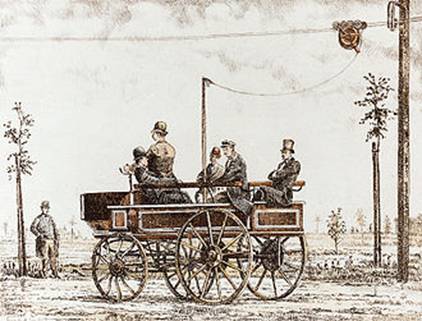
Later that year, the first grandfathers of today's trolleybuses were demonstrated in Vienna as the Schienenlosebahn (trackless railway). Later, the English term trolleybus was adopted instead of the German name - after the trolley that the first trolleybuses pulled along the wires as a current collector. Later, when the somewhat clumsy trolleys were replaced by today's „sticks“ - rod collectors, the name remained and was adopted by the Czech language. It adapted its spelling first to troleybus (used in the 1950s) and later adapted the written form completely to the pronunciation (trolejbus).
Further patents and systems were developed, which gradually improved the trolleybuses. Of course, both the car itself in its mechanical and electrical parts, and especially in the biggest weakness so far - the transmission of electrical energy to drive the car from the trolleys. This led to the development of systems that gradually improved the trolley contact car to the one in common use today, i.e. using two bar collectors.
The year 1882 was only the beginning of this continuous improvement. The original idea, to carry passengers on a regular line, was not fulfilled until 1900, on the occasion of the EXPO World Exhibition in Paris, when the French Lombard and Gerin put into operation the first public trolleybus line in the Vincennes Park. This was the shot that started the building of trolleybus lines all over Europe.
Then Germany and Max Schiemann, who had built a number of tracks here before the First World War, again took the lead in the development. He built further lines in Great Britain, which influenced the development of trolleybuses in the following period.
Together with Schiemann, other factories, notably Carl Stoll in Dresden and Hansa-Lloyd in Bremen, were involved in trolleybus production and line construction. These put other lines and vehicles into service, but they did not last long, for the most part not even through the First World War. This meant that the practical experience and use of trolleybuses was delayed by almost a quarter of a century compared to trams.
The road transport had neither suitable vehicles nor sufficient operational experience. There were no tyres with inner tubes, road vehicles had insufficient suspension, and the condition of the roads was poor.
Further difficulties were encountered in the current collection, which was more difficult than in the case of rail vehicles with single conductor wiring and fixed track. Along with the above technical problems, issues of economy contributed to the demise of the first trolleybus operations. The sometimes unsuitable choice of tracks, often only used for recreational purposes, resulted in unprofitable operations.
During the First World War, work on trolleybus construction almost stopped. But while we find almost no trolleybus lines in use in central Europe after the First World War, development in the UK continues. As early as 1911, Bradford saw the establishment of an operation with vehicles fitted with two pole collectors. Following the success of Birmingham, which began operating „modern“ trolleybuses in 1922, the next period saw a substantial development of this mode of transport in Britain.
The major development of „today's“ trolleybuses began in the 1930s, and trolleybuses spread to other European countries. They are mainly found in Italy, Germany, Switzerland, France, Sweden, the Soviet Union and Belgium. The rapid development of trolleybuses over the years has been made possible by the knowledge gained in other modes of transport, especially the automobile, and by modern vehicle design. The technical design and driving characteristics of trolleybuses have confirmed their legitimacy in the public transport system.
The period after the Second World War is characterised by an even more significant expansion of trolleybuses, popular mainly for their reliability (compared to the then less reliable buses) and excellent driving characteristics in hilly terrain.
However, the promising development of trolleybus transport came to a halt at the end of the 1950s. Oil prices fell, which led to the rapid development of motoring. The bus came increasingly to the fore, gradually replacing the trolleybus, which had poorer operating economic results than the bus. Trolleybus services began to be cut back, with entire lines and plants being closed down, not only in Europe but also overseas.
After the sharp rise in oil prices between 1974 and 1980, ways were again sought to reduce the consumption of petroleum products in urban transport. The use of electricity to a greater extent was offered as a way forward, and the importance of trolleybus transport began to be reassessed and it again experienced further development. This is also motivated by a second important factor, namely the improvement of the environment - their operation eliminates exhaust emissions and the noise level is relatively low. In addition, trolleybuses have better dynamic characteristics.
Trolleybus transport in Czechoslovakia or Bohemia
Trolleybus transport in the Czech Republic can be divided into two basic development periods - historical (1904 - 1916) and modern (from 1936 to the present).
In the historical period, four lines were built in our country. The first one of a more intercity character led from Poprad to Starý Smokovec and started its operation on 2 August 1904. The second line leading from the railway station in Gmünd (today's České Velenice) to the centre of the town (today located in Austria) started operation on 16 July 1907. From 19 July 1909, trolleybuses began to operate in Bratislava on a line serving more recreational purposes. The last city with a historic trolleybus service was České Budějovice, which started operation on the line Pražské předměstí - Hřbitov sv. Otýlie on 4 October 1909. However, none of these lines lasted long - the line in Poprad ended in 1906 and the other three in 1914-1916. It was then a long wait of twenty years before trolleybuses appeared in our cities for the second time.
In the modern period, the development of trolleybus transport was relatively late in our country. The first trolleybus line with a length of 3.63 km did not start regular operation until 29 August 1936 in Prague. During the Second World War other cities introduced trolleybus transport after the good experience of Prague: on 9 April 1941 Pilsen, on 31 July 1941 Bratislava and on 27 January 1944 Zlín. Although development during the Protectorate was hampered by lack of finance, the lack of oil during the war contributed to the electrification of transport. After our liberation, this transport was first launched in Most and Litvínov on 6 December 1946.
In the following years, it developed rapidly, both by extending the existing networks and by building lines in other cities. In 1948, transport started in České Budějovice (for the second time) and Jihlava. In the spring of 1949, there was even an initiative to provide mass transport by trolleybuses from the central authorities in Prague (in order to save money on importing foreign diesel). In 1949 trolleybuses appeared in the cities of Hradec Králové and Brno, in 1950 in Decin, in 1952 in Pardubice, Mariánské Lázně, Teplice, Ostrava and Opava. After a ten-year break, Prešov followed in 1962. Trolleybus transport was then cancelled in 1959 in Most and Litvínov as part of the construction of the tramway. After 1965, there was a stagnation of transport and, thanks to cheap Soviet diesel, trolleybus transport was replaced by bus transport. This was reflected not only in the fact that the extent of the network remained unchanged or decreased in most cities, but also in the fact that in 1971 trolleybuses were cancelled in České Budějovice, the last trolleybus was operated on 16 October 1972 () in Prague (in 1959 the lines reached 57 km) and in 1973 in Děčín.
At the turn of the 1970s and 1980s, a reassessment of the importance of trolleybus transport in our cities - due to the energy crisis and the growing importance of environmental protection - led to its revival and the construction of more lines. In 1988, trolleybuses started operating in Ústí nad Labem, in 1991 in České Budějovice (for the third time!) and in 1995 in Chomutov and Jirkov. At the beginning of the 1990s, preparations were made for the resumption of trolleybus transport in Prague, but this did not happen in the end.
At present we can find trolleybuses in 13 cities in our country: in Brno, České Budějovice, Hradec Králové, Chomutov - Jirkov, Jihlava, Mariánské Lázně, Opava, Ostrava, Pardubice, Plzeň, Teplice, Ústí na Labem, Zlín - Otrokovice.
The fleet is being intensively modernised with low-floor vehicles, which significantly contributes to the improvement of the level of public transport.
Trolleybuses in Hradec Kralove
Public transport in Hradec Králové was provided until 1949 by buses connected with the establishment of the city's own Autodrach Hradec Králové in December 1928. The pre-war plans for the construction of an electric railway were not realized, and only after 1945 did the reconstruction of the transport system begin, which included the construction of trolleybus lines.
The project was initiated in 1947, at the beginning of the second quarter of 1948 the construction of trolleybus lines was started, and already after a year, on Sunday, 2 May 1949, the line marked as No. It ran from the main railway station via Koruna, today's Gočárová Avenue, through Ulrich Square to Pražský Most and Mostecká Street, then to Fortna, across Moravský Most and along Brněnská Street to Nový Hradec Králové. In the same year, on 28 October, line No. 0 to Slezské Předměstí was put into operation. The fleet consisted of four Vetra - ČKD trolleybuses. Only the construction of a new depot in 1951 enabled further development of trolleybus transport and the network was gradually expanded by new operating sections. A year later, the line along Komenský Street and around the regional court was put into operation, thus creating a closed circuit around the old town, followed by lines to Kukleny and Plačice (1952), Malšovice (1958) and to Slezské Předměstí - Sever housing estate (1965).
Throughout its history, the fleet has been supplemented exclusively by Škoda trolleybuses.
The year 1964 was a milestone, when the trolleybus service provided two thirds of the city's traffic load with nine lines and transported 16.3 million passengers.
In 1967, the Council of the Municipal Council decided to gradually liquidate the trolleybus service after the cars and traction equipment had reached the end of their service life by 1980.
In the second half of the 1960s, the reconstruction of Hradec Králové's main roads began. The reconstruction of the roadways required costly relocation of trolleybus lines. The reconstruction of Gočár Avenue resulted first in a temporary stop of trolleybus traffic (from 30 November 1967), but by the decision of the city it became permanent, and trolleybuses returned to this busy thoroughfare almost three decades later. Under the influence of the general shift away from trolleybus transport in the Czechoslovak Socialist Republic, Hradec Králové also began to replace trolleybus lines with buses. Therefore, trolleybuses did not return to some of the reconstructed sections (apart from the already mentioned Gočárovy Avenue, it was also Kladská Street and Pospíšilova Avenue), but no further line cancellations occurred and the main directions of trolleybus transport were preserved.
In the 1980s, as in other cities, there was a change in the view of trolleybus transport and a gradual rethinking of the plans; trolleybus transport was maintained. Existing sections and rolling stock were gradually modernised, and new sections were not built until a decade later.
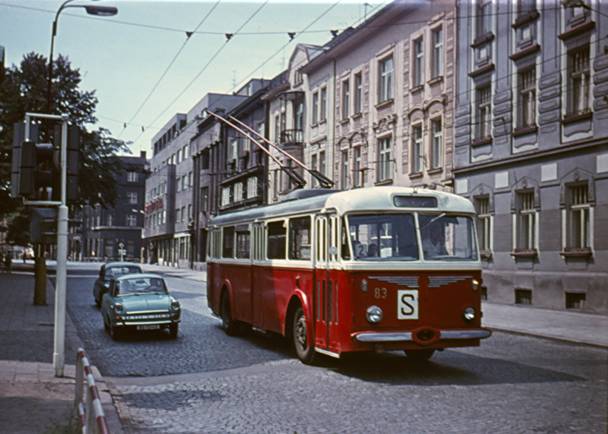
In 1993, trolleybuses began to run on part of the Second Ring Road, two years later they returned to Gočárovu and Pospíšilova Avenue. Since 1994, selected services of line No. 1 from Nové Hradec to Kluky have been running, although this section is not equipped with trolley lines. The service was provided by a pair of 14 Tr cars, modified for operation with a specially built NZ 600 diesel generator, which was a rarity - it was the only one in the Czech Republic. This solution was replaced in 2001 by the inclusion of the two-horsepower trolleybus 21 TrACI. Now there are two 30 Tr SOR coaches equipped with diesel generators.
In 1999, the renewal of the entire trolleybus network was completed and trolleybus transport in Hradec Králové belonged to the medium-sized ones in terms of the scope of operation and the number of vehicles (five lines were in operation, where 44 vehicles carried 10,230,707 passengers).
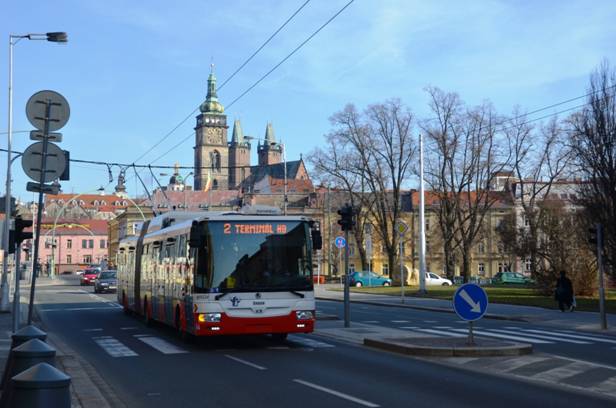
In 2014, 35 trolleybuses carried more than 11 million passengers on five lines, accounting for 32 % of the total passengers carried.
VETRA - ČKD
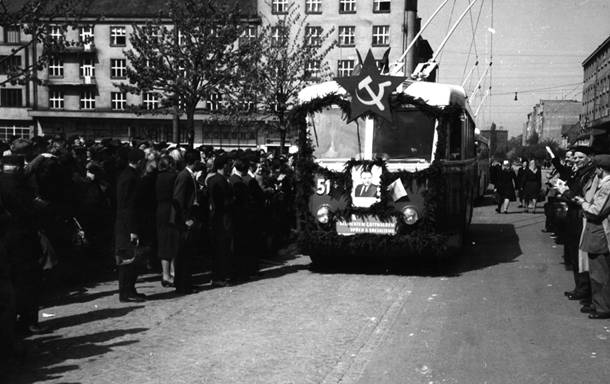
After the Second World War, the republic did not have enough capacity to produce its own trolleybuses, and so the shortage of supplies of double-axle trolleybuses was solved by importing Vetra trolleybus bodies and other mechanical parts from France. These cars were fitted with electrical equipment from ČKD originally designed for Praga trolleybuses. In addition to Hradec Králové, these trolleybuses were delivered to other cities (České Budějovice, Děčín, Zlín and Jihlava). They had a capacity of 75 passengers, of which 25 were seated. The carriages were equipped with batteries for operation off the overhead line, which was used when the carriages were towed to the original depot. The carriages proved their simplicity and helped to solve the fleet situation in the post-war period. In many towns, including Hradec, trolleybus services were also started.
The next cars to appear were the Skoda: 7 Tr (1951-75), 8 Tr (1957-75), 9 Tr and 9 Tr HT (1962-90), 14 Tr (1983-2011), 15 Tr (1989-2011), 21 Tr (1997-2013) - the first low-floor, 21 Tr AC (from 2002), 21 Tr ACI (2000-2012), up to the current 30 Tr SOR (two of them with built-in diesel generators) and 31 Tr SOR. Currently, the Hradec Králové Transport Company has one of the youngest trolleybus fleets in the Czech Republic. In the 65 years of trolleybus transport, a total of 199 vehicles have been delivered to Hradec Králové (190 of which were delivered directly from the manufacturer).
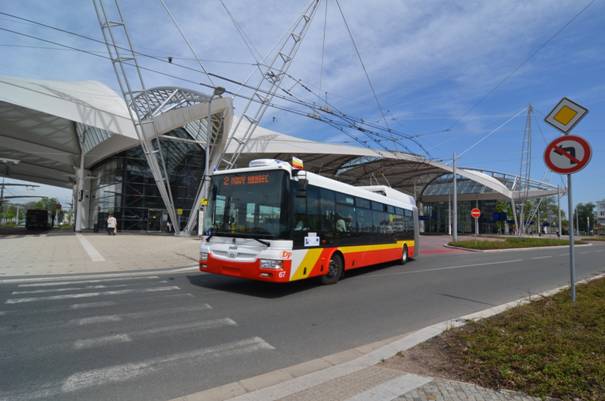
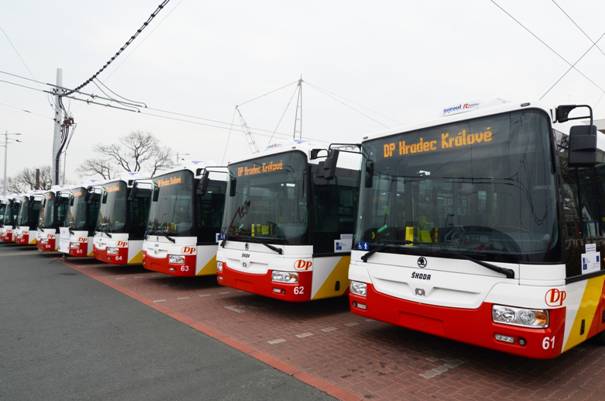
Further details of the history - not only of trolleybuses - can be found in the publication History of public transport in Hradec Králové 1928-2013, where its author Helena Rezková and her co-authors have for the first time comprehensively mapped the remarkable history and present of public transport in Hradec Králové. The book was published in October 2013 in an edition of 1,500 copies with 272 pages and contains 890 photographs.
The latest details of the history - not only of trolleybuses - can be found in the publication History of public transport in Hradec Králové 1928-2020, where its author Helena Rezková and her co-authors have added newly acquired information and photographs - both current and from new sources - about the history and present of public transport in Hradec Králové. The book was published in June 2020 in an edition of 700 copies.
Elaborated by:
ing. František Meduna Head of Marketing